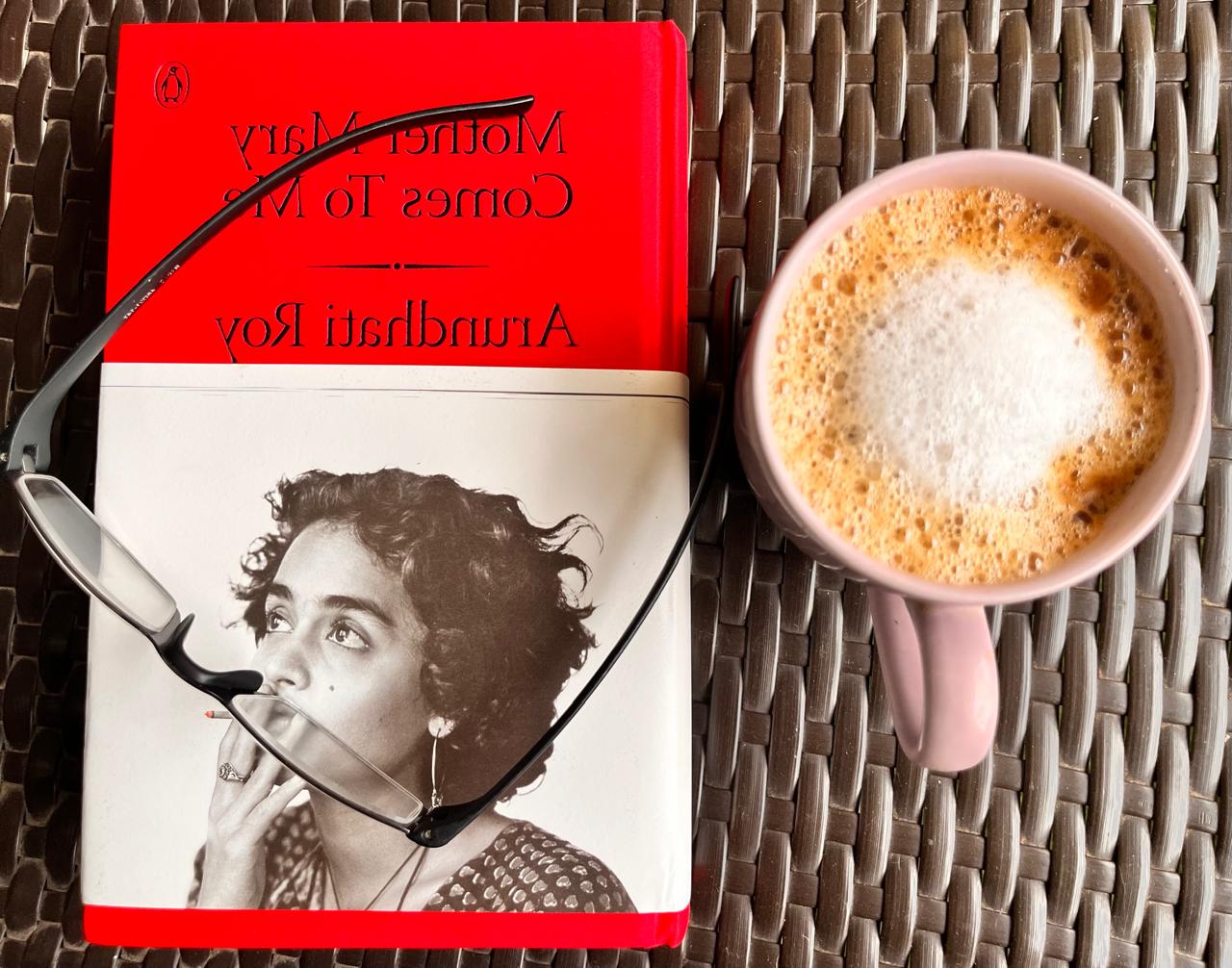
Mother daughter relationships are complex and not everyone gets that right but in Arundhati Roy’s memoir, this relationship is explored in a mature, pensive and in the most heartfelt ways. This book is honest, in-your-face and leaves you heaving a huge sigh by the end for all the trials and tribulations Arundhati, the daughter, the actor, the writer, the activist and the strong feminist, goes through. You can feel her anguish and her pain at having to relive her memories with her mother. The title of the book is from the Beatles song, Let It Be. And this song was penned by Paul McCartney, who wrote this song after he had a dream about his mother, Mary, who came to him in his dream and comforted him by telling him to Let It Be. And happened to Paul McCartney when he was going through a very trying time in his life and this dream helped him to find the solace he was desperately in need of!
The Beatles were Arundhati Roy’s favourite band and this song, I am guessing must have meant personally to her.
Mary Roy was a strong willed, feminist won a lawsuit in the Supreme Court against the inheritance law prevalent within the Syrian Malabar Nasrani community of Kerala. The judgement ensured equal rights for Syrian Christian women as with their male siblings in their ancestral property. She was an educationist, who built and created a school based on the concepts of hands on learning and encouraged her students to think and move beyond the structured school curriculums of the regular schools. She fought fearlessly and steadfastly for all the right causes. And yet, she as a single mother, found motherhood the most challenging aspect of her life.
In a country that worships and glorifies mothers as the providers, caregivers, martyr and extolled for just being a mother, this book turns that narrative on its head and shows the reality that there are mothers who don’t fit into these archetypes and that’s how they are. Good or bad, we may never be able to label them. They, in their own convoluted manner, do leave an impression and scars. Arundhati, while navigating her relationship does mention how she was shaped by her mother and how she also loathed being a mother like her own.
Besides sharing her relationship with her mother, Arundhati also lets us glimpse into her personal life, her relationship with her father, her brother, her maternal uncle, her partners and her children. She speaks of her journey as a child growing up in Ooty, then moving to Kottayam and then Delhi. She shares her inspirations for her two bestsellers and the Booker Prize winner. Her plunge into activism and her writing about the socio-political causes are an inspiration to me!
To be able to talk boldly and use her influence to speak about the human tragedies that surround us, Arundhati Roy sets an example for what one can do with their voice and in her case, her pen!
I have greatly admired her for her writing as well as her choice to speak for the oppressed. And this book came like a validation for her truthfulness and her ability to be vulnerable with the world.
I would highly recommend every one to read this. Do question everything around you and do your bit to make this a better world!
Leave a Reply